
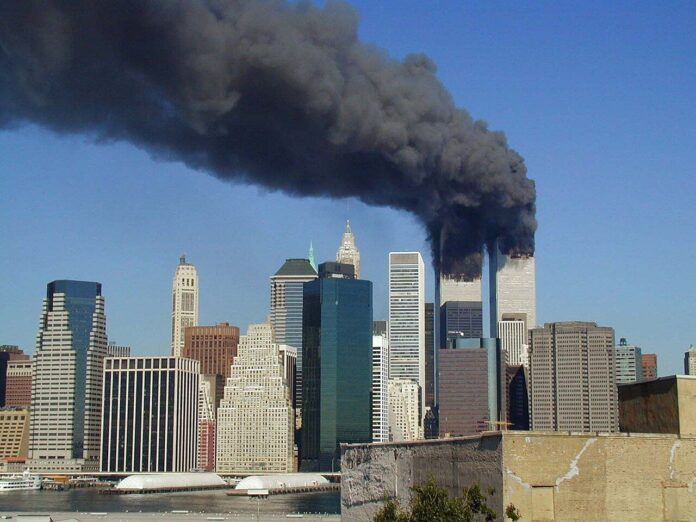
9/11 Heroes Stories: Courage and Sacrifice in NYC
Stepping into Lower Manhattan, modern glass towers reaching skyward stand alongside an unforgettable legacy of sacrifice. Beneath the everyday rhythm of office workers and visitors lies a deep history of bravery. Exploring these historic downtown sites highlights the personal 9/11 heroes stories that define New York’s enduring resilience.
On September 11, 2001, ordinary civilians and first responders acted with extraordinary courage. They ran toward danger to save others, leaving behind legacy stories of sacrifice and hope.
Powerful 9/11 Heroes Stories Born in Lower Manhattan
Among the many remarkable 9/11 heroes stories, few resonate as deeply as that of Welles Crowther. A 24-year-old equities trader working on the 104th floor of the South Tower, Crowther was a former volunteer firefighter from Upper Nyack, New York. When United Airlines Flight 175 struck the building, he tied his signature red bandanna over his nose and mouth to shield against thick smoke and immediately took action.
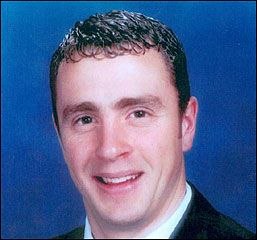
Despite being injured, Crowther organized rescue efforts on the damaged 78th-floor sky lobby. Carrying a woman on his back, he navigated smoke-filled stairwells down to safety before returning upstairs into the building. Survivors recalled a young man in a red bandanna directing traffic, administering first aid, and guiding groups to safety. He helped save at least 18 lives before returning upstairs one final time to search for others, losing his life when the tower collapsed.
His family later donated his red bandanna to the permanent collection at the National September 11 Memorial & Museum, where it serves as a symbol of altruism and courage.
Rick Rescorla and the Evacuation of the South Tower
Another civilian hero was Rick Rescorla, Head of Security for Morgan Stanley in the South Tower. A decorated Vietnam War veteran, Rescorla had long anticipated potential security threats to the World Trade Center complex and routinely directed Morgan Stanley employees through emergency evacuation drills.
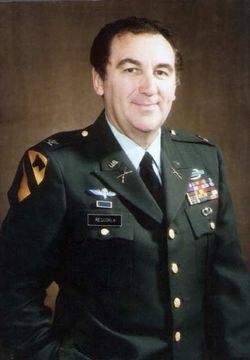
When the attack occurred on September 11, Rescorla ignored public address announcements advising occupants to stay at their desks. Equipped with a bullhorn, walkie-talkie, and flashlight, he orchestrated a disciplined evacuation of more than 2,700 Morgan Stanley employees. To maintain calm as workers navigated dark stairwells, he sang Cornish folk songs and patriotic tunes.
After ensuring his colleagues reached safety outside, Rescorla re-entered the South Tower to search for remaining individuals on the upper floors. He was last seen heading up the stairs around the 10th floor shortly before the building collapsed. Thanks to his preparation and leadership, the vast majority of Morgan Stanley employees survived.
FDNY Ten House and the Bronze Tribute on Liberty Street
Located at 124 Liberty Street, Engine Company 10 and Ladder Company 10—known locally as "Ten House"—sits directly across from the World Trade Center site. As the closest firehouse to the complex, Ten House was among the very first responders on the scene when the initial plane struck the North Tower.
Five firefighters from Ten House lost their lives during the rescue effort that morning. Spanning the exterior wall of the station is the FDNY Memorial Wall, a 75-foot bronze sculpture honoring the 343 FDNY firefighters who died on 9/11.
Visitors to the memorial wall can observe the detailed bronze relief depicting first responders in action, located just steps from where Lower Manhattan transitions toward Tribeca's historic cobblestones and walking paths.
St. Paul’s Chapel: The Sanctuary That Stood
Located at 209 Broadway, St. Paul’s Chapel was built in 1766 and is famous as the site where George Washington worshiped on his Inauguration Day. When the Twin Towers collapsed nearby, St. Paul’s survived intact without a single broken window pane, earning the moniker "The Little Chapel That Stood."
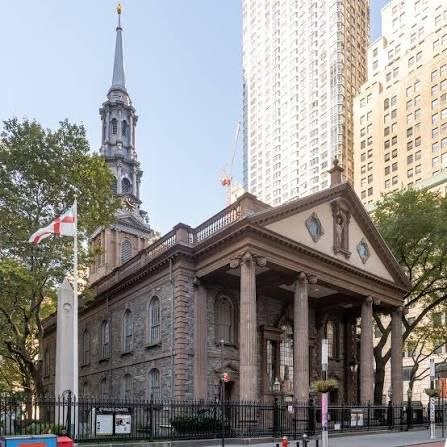
In the days and weeks following the attacks, St. Paul’s served as a 24/7 relief shelter and sanctuary for rescue and recovery personnel, including firefighters, police officers, and construction crews. For eight months, volunteers provided hot meals, cots, medical supplies, and emotional support to workers at Ground Zero.
The chapel is easily accessible via public transit, located near the Fulton St station (4/5 trains) and City Hall station (R/W trains).
Paying Respects at the 9/11 Memorial & Museum
Key artifacts from these heroic acts are displayed at the National September 11 Memorial & Museum at 180 Greenwich Street (accessible via the E train to World Trade Center or the 1 train to WTC Cortlandt).
The underground museum galleries feature preserved first responder turnout gear, damaged emergency vehicles, personal items, and Welles Crowther’s red bandanna. For visitors planning a broader downtown schedule, consulting resources like the New York CityPASS review and guide can assist with entry options for major city landmarks.
For updated exhibition hours, educational programs, and admission details, visit the official National September 11 Memorial & Museum website.

