
Tribeca Art Galleries: Walking NYC's Downtown Art Hub
For decades, navigating New York City’s contemporary art scene often meant trekking through the cavernous industrial blocks of West Chelsea. While Chelsea remains an important art corridor, a major shift has taken hold downtown. Over the last decade—and accelerating rapidly since 2020—dozens of influential contemporary art galleries have established spaces in Tribeca, making this historic neighborhood one of the city's key contemporary art districts.
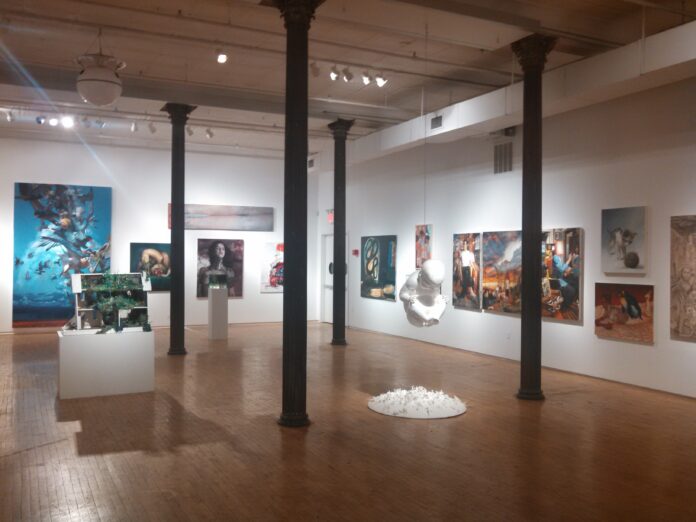
Visiting Tribeca's art galleries offers an experience distinct from standard industrial white-cube spaces. Here, contemporary exhibitions unfold within 19th-century architectural landmarks, creating a viewing environment that pairs historic architectural detail with modern cultural programming.
The Deep Roots of Downtown Art
While Tribeca’s current gallery concentration has expanded quickly in recent years, the neighborhood’s artistic identity dates back decades. Long before retail boutiques and residential conversions populated these blocks, artists settled into the neighborhood's light-industrial lofts during the mid-20th century.
In the mid-1970s, art dealer Julian Pretto established the Fine Arts Building at 105 Hudson Street. This address served as a pivotal nucleus for downtown artist-run projects. In 1977, 105 Hudson Street provided an early home for important art institutions, including the artist-book non-profit Printed Matter and Marcia Tucker’s New Museum of Contemporary Art before both organizations expanded into subsequent locations. The creative activity in these historic spaces helped establish downtown Manhattan as a center for experimental contemporary art.
Today’s gallery presence builds upon this foundation, utilizing historic architectural spaces for contemporary exhibitions.
Cast-Iron Architecture and Exhibition Spaces
A notable characteristic of Tribeca's gallery scene is its architectural setting. Unlike former auto repair shops and industrial warehouses common in parts of West Chelsea, many Tribeca art spaces reside inside designated landmark districts featuring 19th-century cast-iron store-and-loft buildings.
Along these streets, historic facades showcase classical columns, stone pediments, and expansive structural bays. Inside, galleries adapt these architectural elements for modern display:
- Expansive Ground-Floor Windows: Large storefront panes provide generous natural daylight and allow pedestrians to view installations directly from the sidewalk.
- Generous Proportions: High ceilings, hardwood flooring, and exposed cast-iron structural columns provide distinctive architectural context for large-scale artworks.
- Direct Street Access: Many galleries open directly onto sidewalk level, facilitating easy pedestrian access throughout the neighborhood.
This interplay between preserved 19th-century commercial architecture and 21st-century artistic programming distinguishes the Tribeca gallery experience.
A Curated Tribeca Gallery Walk Itinerary
A focused gallery walk can center around the dense cluster of spaces along Walker Street, White Street, Lispenard Street, and Broadway.
Stop 1: Walker Street
Walker Street holds one of the highest concentrations of contemporary galleries in Tribeca, where former textile and dry-goods lofts have been transformed into exhibition spaces.
- Bortolami (39 Walker Street): Relocated from Chelsea in 2017, Bortolami presents conceptual and international contemporary art programs within an expansive historic ground-floor space.
- James Cohan (48 and 52 Walker Street): Featuring diverse contemporary programming spanning painting, sculpture, and video, James Cohan operates prominent spaces on the block with street-level viewing.
Stop 2: White Street, Lispenard, and Broadway
Turn across to neighboring streets such as White Street, Lispenard Street, and Broadway, where additional galleries operate across ground-floor and upper-level lofts.
- Canada (60 Lispenard Street): Originally founded as an artist-run space in lower Manhattan, Canada relocated to the Tribeca area to mount energetic painting and sculpture exhibitions.
- Independent Project Spaces: Interspersed along Broadway and adjacent cross streets, visitors can explore rotating project spaces, non-profit exhibition venues, and established commercial galleries.
Practical Tips for Your Visit
- Standard Operating Hours: Most Tribeca commercial galleries are open Tuesday through Saturday, typically from 10:00 AM or 11:00 AM to 6:00 PM. Galleries are generally closed on Sundays and Mondays. Always confirm specific hours on a gallery's official website before visiting.
- Gallery Openings: Opening receptions for new exhibitions frequently take place on Thursday or Friday evenings between 6:00 PM and 8:00 PM. These events are free and open to the public.
- Footwear: Several historic cross streets in Tribeca retain cobblestone paving and historic granite curbs. Comfortable walking shoes are recommended.
- Admission: Commercial art galleries do not charge admission fees.
Frequently Asked Questions
Are Tribeca art galleries free to visit?
Yes. Commercial contemporary art galleries in Tribeca are free and open to the public during regular operational hours.
What are the main streets for galleries in Tribeca?
The densest clusters of art galleries are situated along Walker Street, White Street, Lispenard Street, Franklin Street, and adjacent stretches of Broadway and Cortlandt Alley.
How do gallery visits in Tribeca compare to Chelsea?
Tribeca galleries are primarily integrated into 19th-century cast-iron store-and-loft buildings within mixed residential and commercial streetscapes, whereas Chelsea's gallery district is largely characterized by converted former industrial and automotive warehouse structures concentrated along 20th through 26th Streets west of Tenth Avenue.

