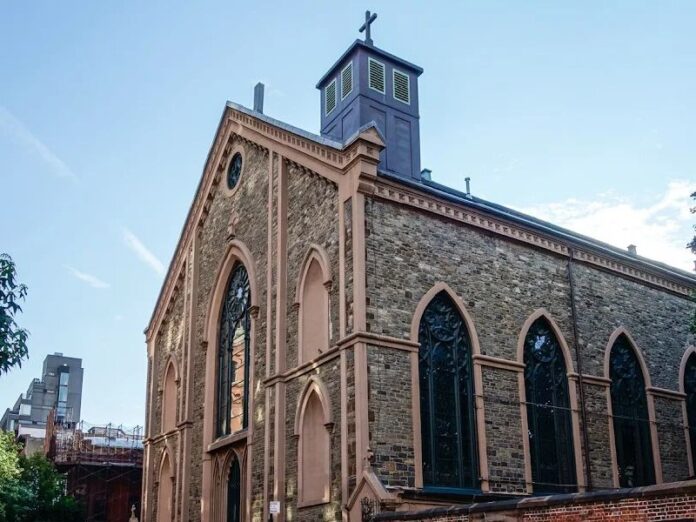
Nolita today is defined by sunlit coffee shops, independent boutiques, and the easy rhythm of foot traffic moving along Mulberry Street. Yet just past the high brick wall that shields the area around Prince, Mott, and Mulberry Streets, the neighborhood retains a quiet, shadowed history that predates almost everything around it.
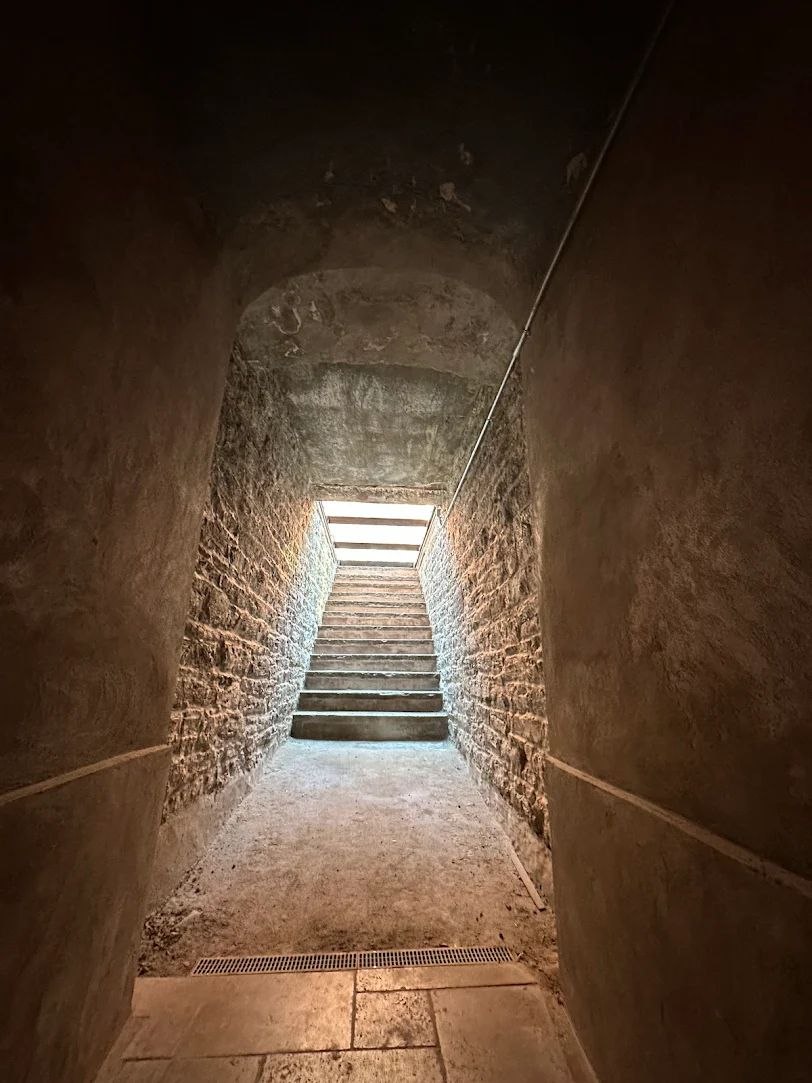
Beneath the historic floorboards of the Basilica of St. Patrick’s Old Cathedral lie subterranean vaults: the Catacombs of Old St Patrick’s Cathedral NYC. As rare accessible subterranean crypts in Manhattan, this quiet underground space has rested beneath the city’s changing landscape since the early nineteenth century.
Sacred Echoes Beneath Mulberry Street
Dedicated in 1815, the Basilica of St. Patrick’s Old Cathedral at 263 Mulberry Street served as the original seat of the Roman Catholic Archdiocese of New York. For decades, it stood as the primary center of Catholic life in Gotham, holding firm through waves of immigration, rapid urban growth, and neighborhood transformations long before Midtown’s cathedral on Fifth Avenue opened its doors in 1879.
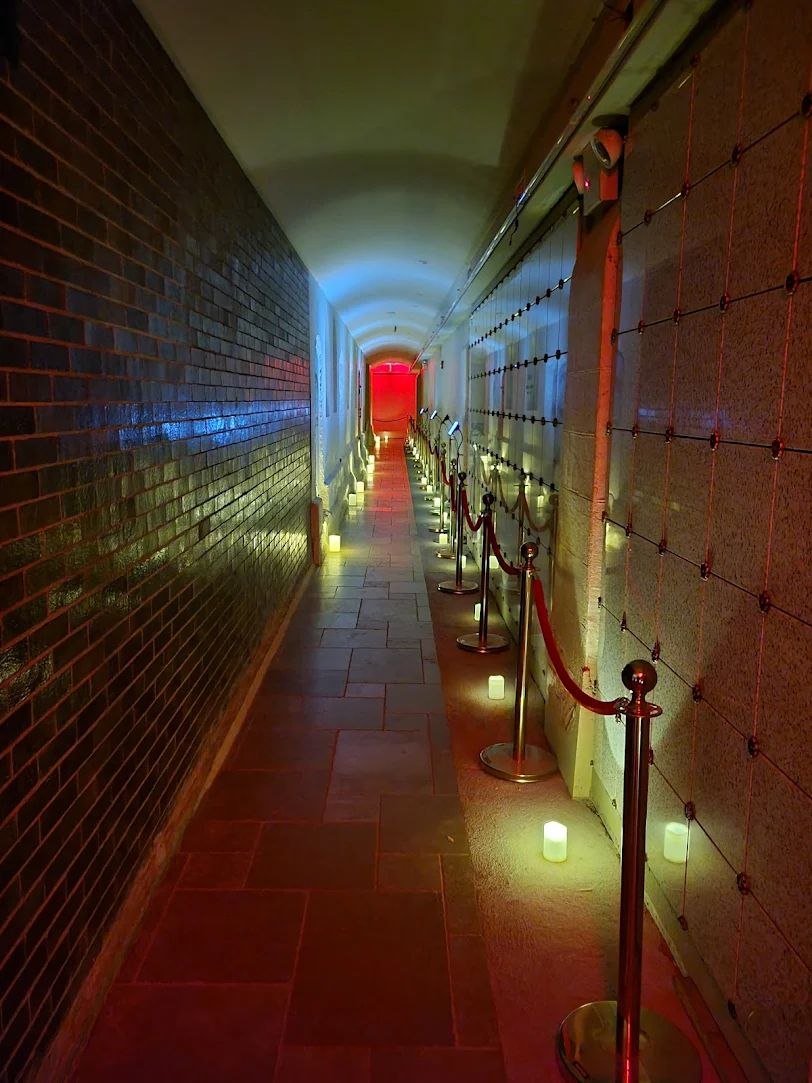
While the main sanctuary upstairs features soaring stained glass and delicate woodwork, the cathedral’s subterranean level holds an entirely different, solemn atmosphere. Divided into 35 family crypts and five clerical vaults, these catacombs served as the resting place for prominent early Catholic families, church leaders, and pivotal historic figures.
The catacombs sit beneath the perimeter brick wall bordering Mott and Mulberry Streets. Built to safeguard the sanctuary during anti-Catholic unrest in the mid-19th century, the wall remains a physical boundary between modern Manhattan and early NYC history.
Historical Figures Resting in the Vaults
Exploring these underground crypts offers a direct connection to figures who shaped early New York. Among those commemorated and entombed in the vaults and historic grounds is Lorenzo Da Ponte, the opera librettist who famously collaborated with Wolfgang Amadeus Mozart on Don Giovanni and The Marriage of Figaro. After moving to New York, Da Ponte became Columbia University’s first professor of Italian literature and helped introduce Italian opera to the United States.
In a nearby vault rest the remains of General Thomas Eckert, a key Civil War figure who managed President Abraham Lincoln’s War Department telegraph office. It was at Eckert’s desk that Lincoln penned early drafts of the Emancipation Proclamation, giving these subterranean crypts a direct link to a critical moment in American history.
The crypts also hold generations of prominent early New York families and church leaders whose work contributed to the growth of the city.
Walking Beneath the Vaults: The Candlelight Experience
Because these crypts remain active sacred ground, public access is restricted to official guided programs. Public access is provided through the ‘Catacombs by Candlelight’ walking tours operated by Tommy’s New York, which guide visitors into the subterranean spaces beneath the church.
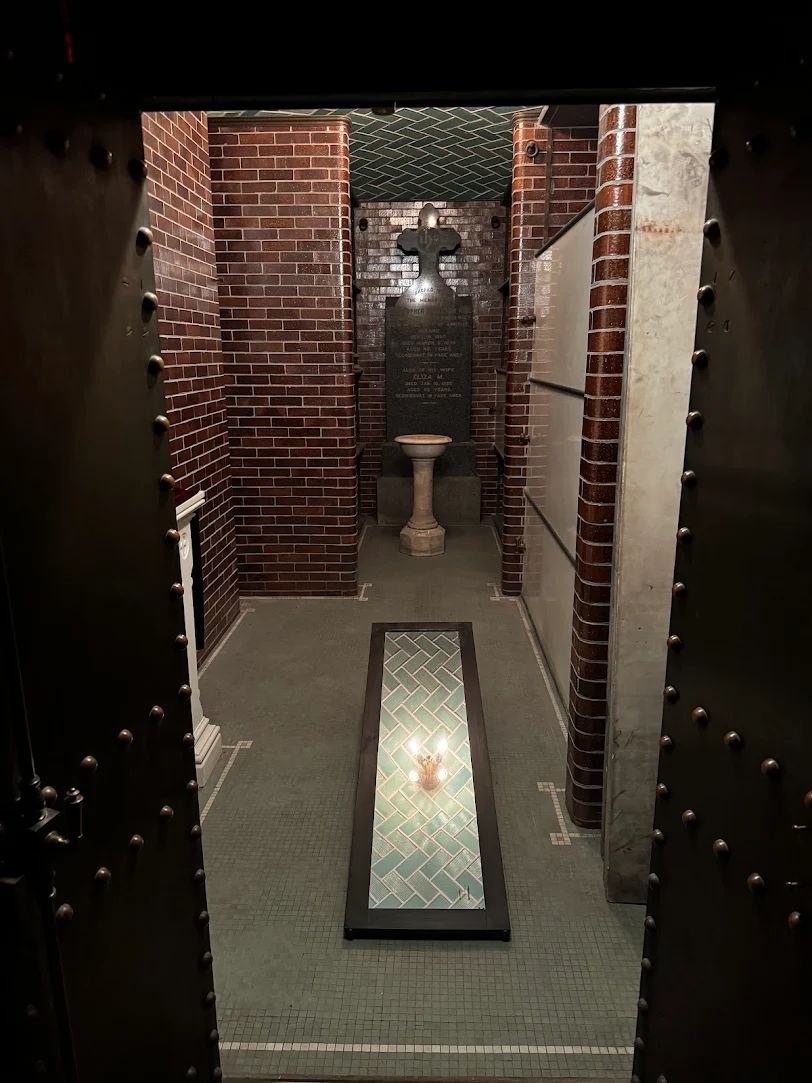
Guided by warm lantern light, visitors step off Mulberry Street and descend into cool brick passages. The noise of street traffic recedes, replaced by the silence of subterranean brick and mortar. The light reveals hand-engraved marble markers, weathered stone arches, and heavy vault doors secured by historic iron hardware.
It stands as a well-preserved historic site in Lower Manhattan where structural elements remain remarkably intact. The air is cool and still, preserved from the bustle of the city above.
A Sanctuary Preserved Beneath Nolita
In a metropolis that constantly rebuilds itself, the catacombs provide a rare look into early New York history. Returning to street level after visiting the crypts offers a striking contrast: above ground, Nolita continues its modern pace, while below, the founders, historical figures, and early leaders of New York rest beneath the stone.