
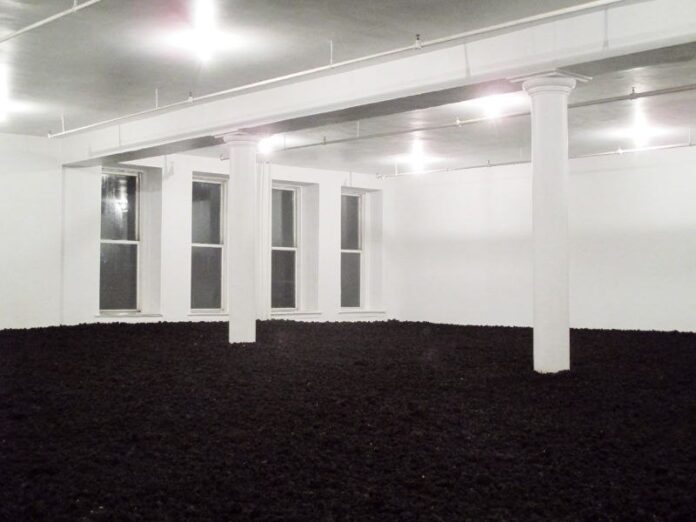
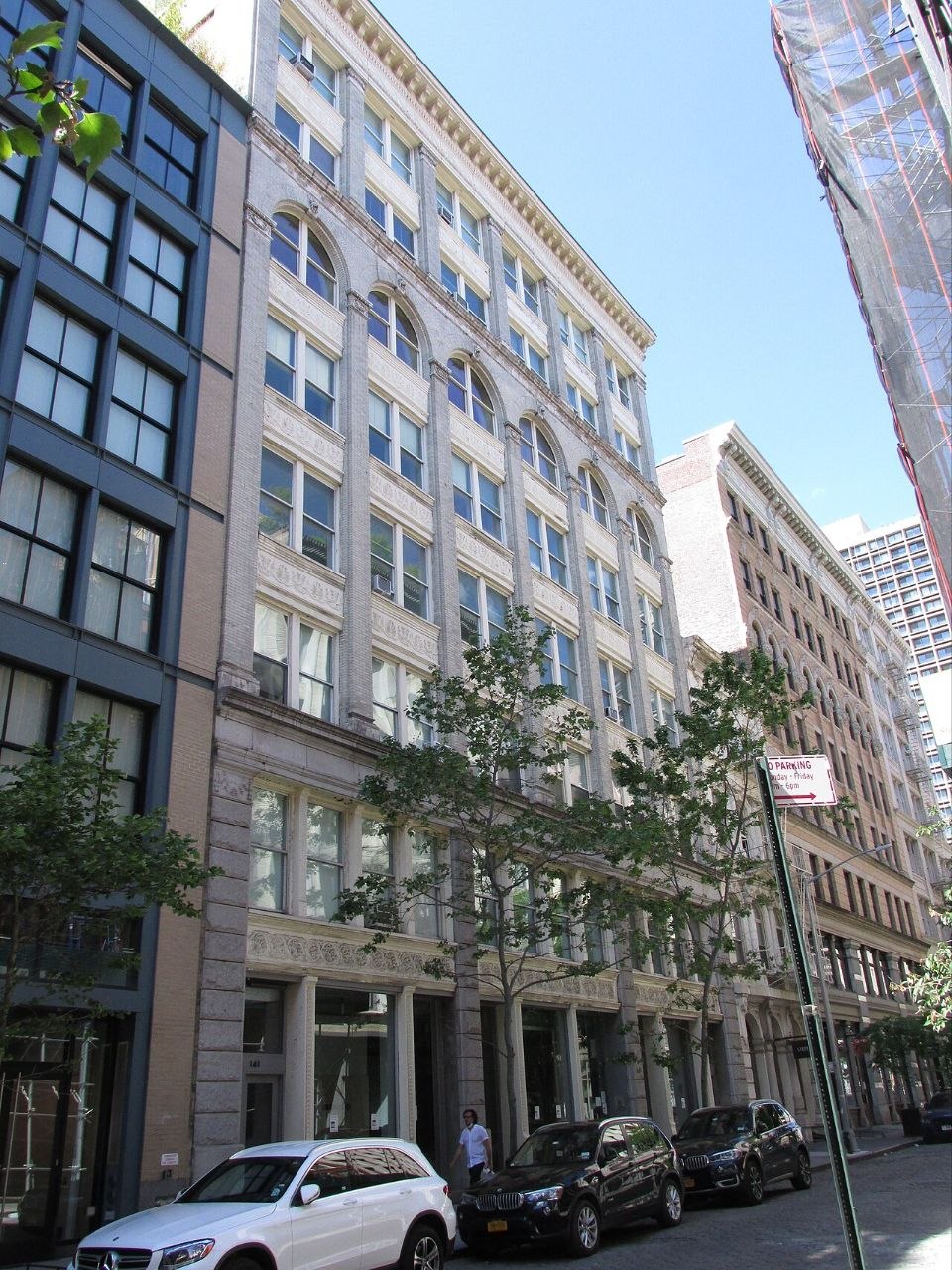
Push open the heavy door at 141 Wooster Street, ring the small, unassuming buzzer, and make your way up the creaky stairwell to the second floor. You are not stepping into a luxury designer boutique or a modern residential loft. Instead, as you cross the threshold, the air becomes noticeably cool, damp, and heavily imbued with the rich, unmistakable scent of a deep forest floor.
This is the New York Earth Room, a monumental and enduring interior artwork nestled in the heart of SoHo. Maintained continuously inside a classic cast-iron loft space since 1977, this quiet, radical sanctuary holds 280,000 pounds (140 tons) of dark, loamy soil—offering a striking, almost jarring contrast to the high-fashion retail district bustling directly outside its windows.
The Visionary Behind the New York Earth Room
In the 1970s, artist Walter De Maria was a central, pioneering figure in the Land Art and Minimalist movements. While many iconic Land Art projects of the era—such as De Maria’s own famous outdoor installation The Lightning Field in New Mexico or Robert Smithson’s Spiral Jetty—unfolded across vast, remote desert expanses in the American West, De Maria took a wildly unconventional turn by bringing the raw materials of nature directly into an urban gallery setting.
Commissioned and permanently maintained by the Dia Art Foundation (co-founded by Philippa de Menil and Heiner Friedrich), the New York Earth Room was De Maria's third earth installation. It followed earlier, temporary iterations created in Munich, Germany (1968) and Darmstadt, Germany (1974). The Wooster Street location stands today as the only surviving installation of the trilogy.
When it first opened in the autumn of 1977, the installation was intended to remain on view for a mere three months. Yet, nearly five decades later—as SoHo transformed around it from a gritty, industrial artist haven into a global shopping hub—the soil remains entirely intact inside the historic loft, serving as a frozen-in-time testament to 1970s avant-garde New York art.
The Architecture of Earth
The installation covers an impressive 3,600 square feet of floor space across the building's second story. The dark soil mixture is maintained at a uniform depth of 22 inches (56 centimeters), spanning wall to wall and encompassing roughly 197 cubic yards of earth.
Visitors observe the work standing behind a low, clear glass barrier positioned at the entrance threshold. Walking onto the dirt, stepping beyond the glass, and touching the soil are strictly prohibited. This barrier forces visitors to pause and contemplate the sheer, quiet physical presence of 140 tons of earth safely contained within traditional brick, plaster, and timber construction.

A Sensory SoHo Experience
Visiting the New York Earth Room is a distinctly immersive sensory experience. Down on Wooster Street, SoHo hums with high-volume foot traffic, taxicabs, and luxury commercial trade. The transition upon entering the gallery space is immediate and total.
The air inside feels cool and humid, carrying the damp, earthen aroma of undisturbed soil after a heavy rain. Because soil is a natural acoustic dampener, the installation absorbs ambient sound, creating a hush where city street noise completely drops away.
Natural light filtering through the large, street-facing loft windows drifts across the surface throughout the day. The changing angles of daylight subtly highlight the visual texture, shadows, and rich tonal variations of the dark soil, making the static room feel quietly alive.
The Stewardship of 280,000 Pounds of Dirt
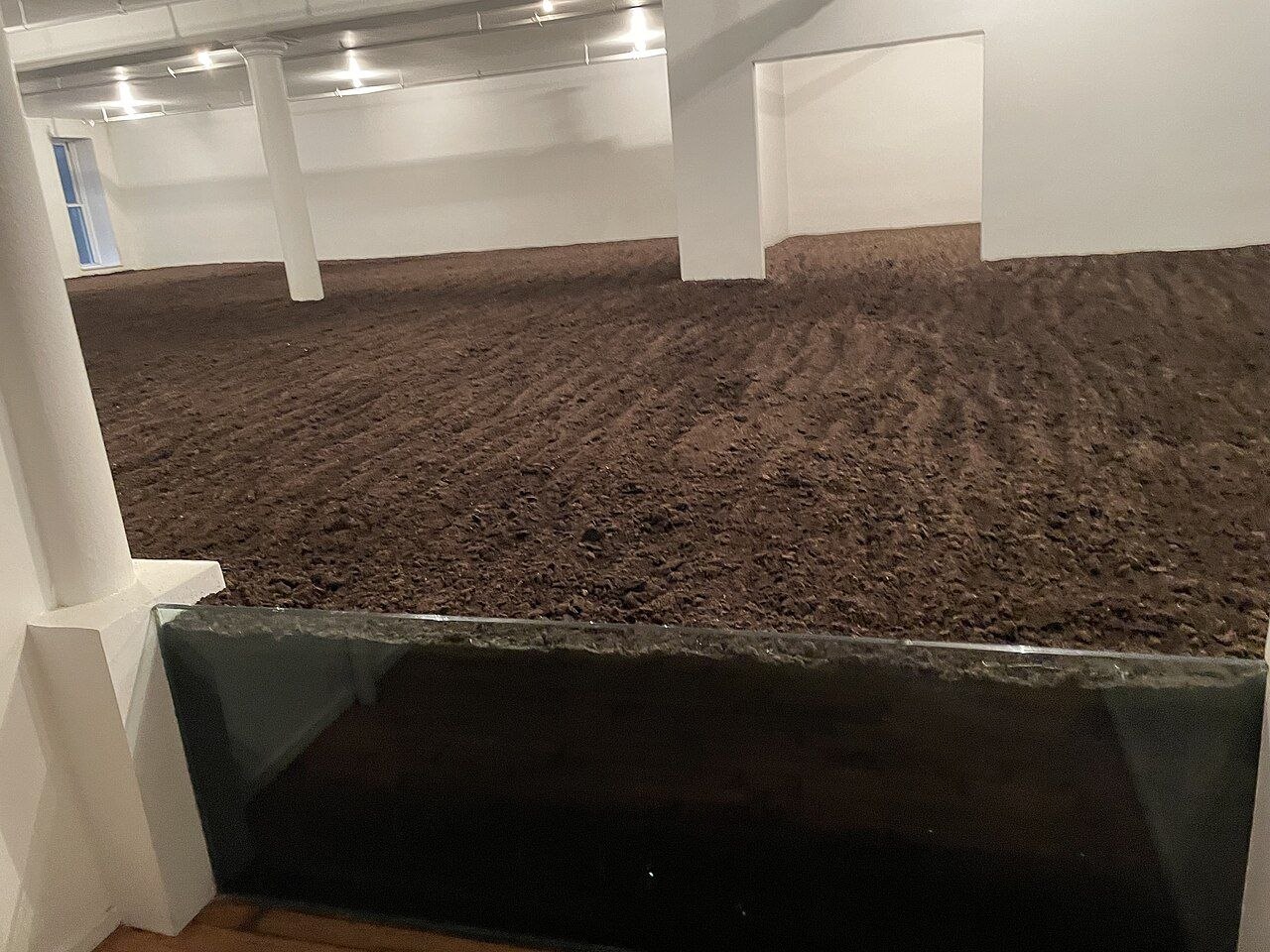
Maintaining 280,000 pounds of living organic matter inside a Manhattan loft requires ongoing, highly deliberate care from caretakers working with the Dia Art Foundation—most notably long-time resident caretaker Bill Dilworth, who meticulously tended the space for decades.
To preserve the moisture level, dark color, and soil consistency without allowing it to dry into dust or turn to mud, caretakers periodically water the surface using a standard garden hose. Staff regularly rake the expansive area by hand to maintain a level depth, leaving clean, zen-like lines across the earth. Because seeds and airborne spores occasionally arrive through open windows or on visitors' clothing, caretakers hand-weed small green sprouts and mushrooms to preserve the minimalist, unadorned presentation originally designed by De Maria.
Remarkably, the original 140 tons of soil brought into the building in 1977—a calculated mix of peat, bark, and dirt—remain in place today, preserved through continuous, careful environmental maintenance.

Practical Details for Planning Your Visit
If you plan to experience the New York Earth Room firsthand, keep the following practical details in mind:
- Address: 141 Wooster Street, 2nd Floor, New York, NY 10012 (located between Prince and Houston Streets in SoHo).
- Admission: Free admission (donations are welcomed).
- Photography: Photography and video recording are strictly prohibited inside the space to protect the quiet viewing experience and encourage total presence.
- Hours & Seasonality: The Earth Room operates on a seasonal schedule (typically closing during the hottest summer months of July and August) and observes a brief mid-afternoon closure daily (usually 3:00 PM to 3:30 PM). Visitors should consult the official Dia Art Foundation website prior to visiting to confirm current operating hours and seasonal reopening dates.

