
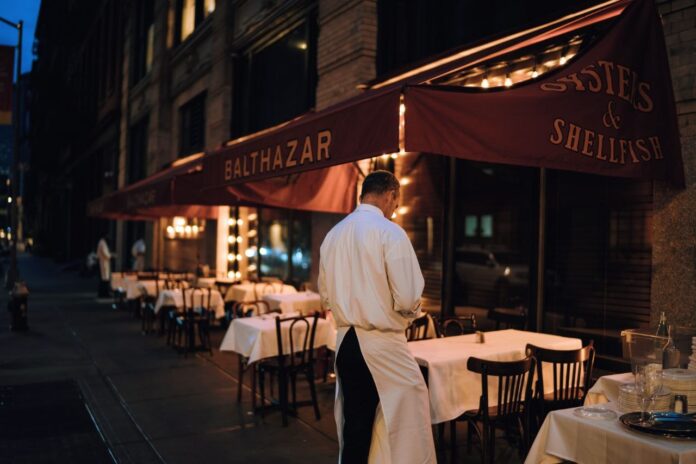
Walk down Mulberry Street or up Amsterdam Avenue on a balmy evening, and you will see a city that has transformed its relationship with the sidewalk. What started as an emergency lifeline for struggling restaurants during the summer of 2020 has become a permanent fixture of New York urban life. The NYC permanent outdoor dining program, officially branded as Dining Out NYC, codifies those temporary structures into a streamlined, safe, and regulated municipal framework.
For locals and visitors alike, eating al fresco against a backdrop of historic architecture and streetscapes is an established New York experience. The temporary era of unregulated DIY dining sheds has concluded. The permanent legislation brings structure to the streetscape, balancing small business support with public safety, accessibility, and sanitation.
The Evolution of the NYC Permanent Outdoor Dining Program
The transition from temporary emergency permits to the finalized NYC permanent outdoor dining program represents one of the largest outdoor dining overhauls in North America. Under the program managed by the NYC Department of Transportation (DOT), the city establishes a clear distinction between sidewalk cafes and roadway dining.
Sidewalk cafes—tables positioned directly against restaurant facades—can operate year-round with proper licensing. In contrast, roadway dining setups occupying former parking lanes are strictly seasonal. Restaurants can operate roadway structures from April 1 through November 29 each year, requiring setups to be removed during the winter months.
This seasonal cycle addresses urban management concerns. By clearing the roadway lanes from November 30 through March 31, city agencies can perform street sweeping, clear snow efficiently, and prevent unmaintained structures from deteriorating or attracting pests.
Standardized NYC Outdoor Dining Design Standards
A primary mandate under the New York street dining legislation is the aesthetic and structural standard required for every setup. The city has phased out fully enclosed, opaque wooden sheds. Instead, updated NYC outdoor dining design standards emphasize open-air transparency, durable materials, and modular construction.
Roadway setups must feature screen-like barriers, clear sightlines, and strict physical parameters. Barriers facing vehicle traffic must be filled with heavy materials, such as water-filled or concrete-weighted planters, to absorb low-speed impacts and add green space. Overhead coverings must provide shade and weather protection without fully enclosing the dining area.
Accessibility is mandatory under these rules. Every outdoor setup must include flush thresholds or compliant ramps so wheelchair users can access tables from the sidewalk. Clear pathways must also be preserved for pedestrians, maintaining at least eight feet of unobstructed sidewalk space at all times.
How Dining Out NYC Guidelines Upgrade the Guest Experience
For diners, these Dining Out NYC guidelines standardize the outdoor dining experience. The initial temporary setups often suffered from uneven floorboards, drafty framing, and sanitation challenges. The regulated structures offer a cleaner, safer, and more consistent environment.
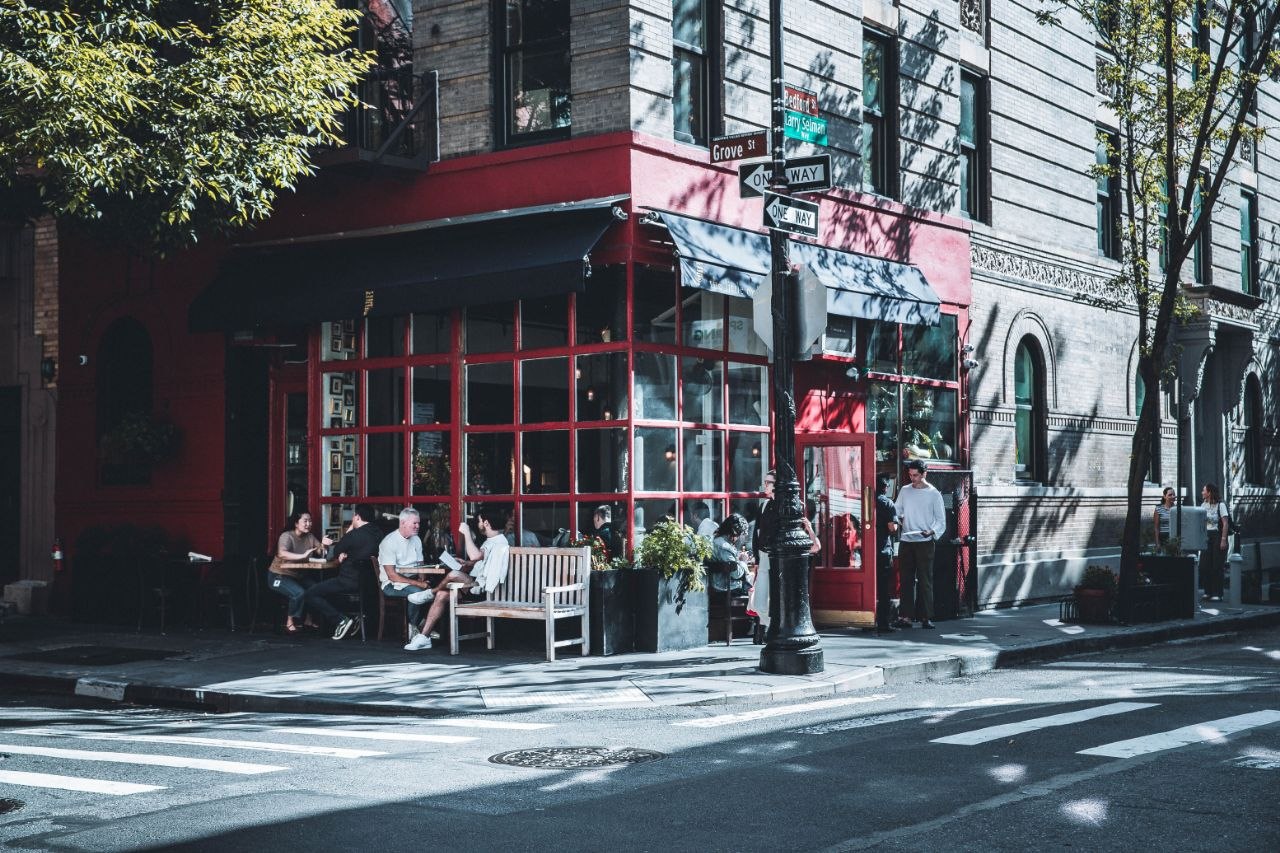
By enforcing pest control protocols and cleanable surfaces, the city addresses operational concerns. Flooring materials must be easily washable and elevated slightly off the asphalt to allow stormwater drainage underneath. Rat-proofing standards and strict waste management rules are built into the design mandates.
Sightlines and neighborhood integration have also improved. Because fully enclosed walls are prohibited, outdoor spaces remain integrated with the neighborhood streetscape.
Balancing Neighborhood Character and Small Business Survival
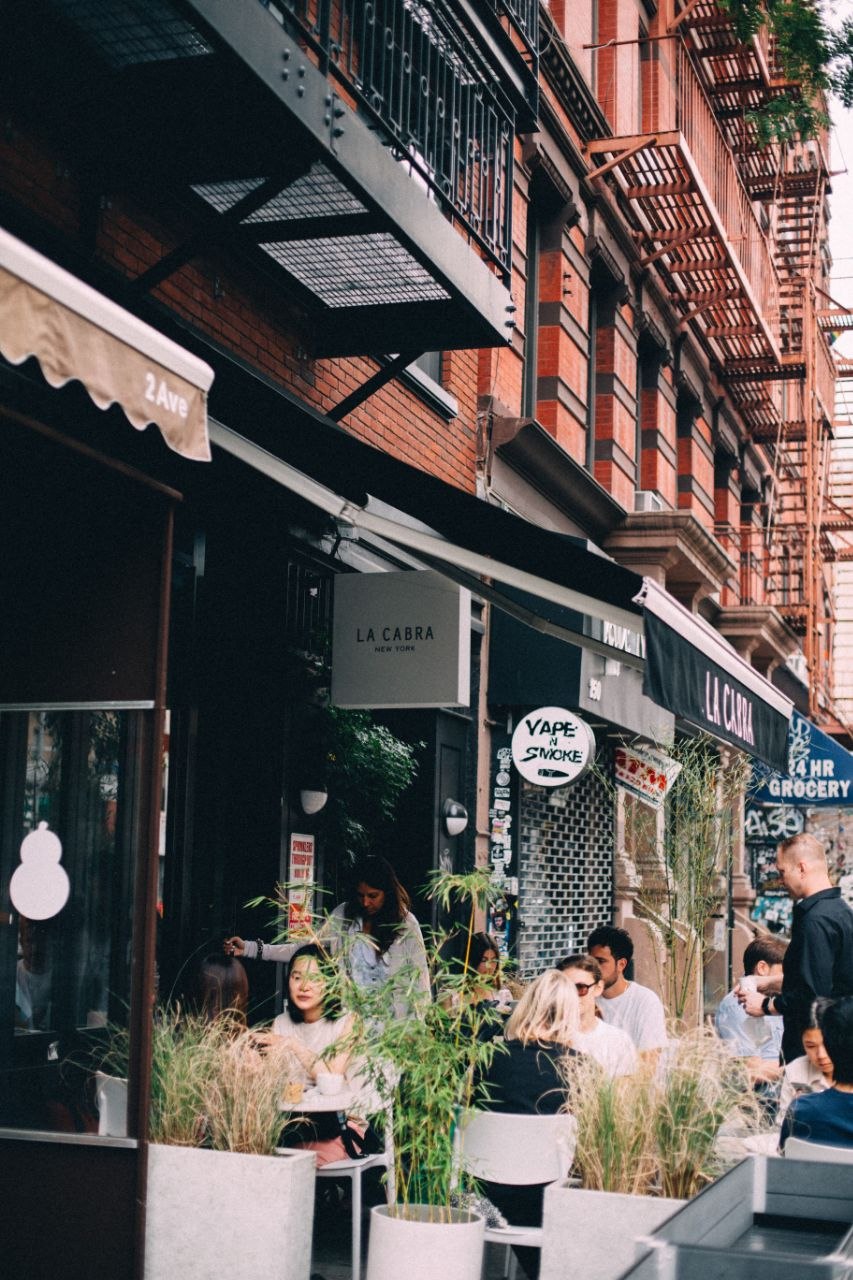
Implementing the program requires a financial and operational balance for local hospitality businesses. While the emergency pandemic program provided temporary permits at no cost, the permanent program requires license fees and location-based rate structures determined by location and square footage. Outer-borough establishments and lower-density zones pay lower fee rates than high-traffic commercial corridors in Manhattan.
For restaurant owners, investing in compliant modular, easy-to-disassemble structures represents an upfront capital expenditure. However, a permanent regulatory framework provides long-term operating clarity. Operators can design outdoor setups knowing their structures comply with established city codes.
For communities, the program maintains active streetscapes while establishing clear boundaries. Balancing public right-of-way usage, parking access, and outdoor hospitality ensures city streets remain functional for all residents.
Looking Ahead to NYC Year Round Outdoor Dining
As New York operates under this framework, the streetscape adapts with the seasons. Spring marks the return of authorized roadway setups across the five boroughs, while winter clears roadway lanes for street maintenance.
While roadway setups pause during the coldest months, NYC year round outdoor dining continues along sidewalks. Approved, accessible sidewalk tables operate year-round, offering outdoor seating options through every season.
The permanent program transitions a temporary crisis response into an established, regulated component of New York City's urban design.

